When a family realizes they need in-home help for a loved one, the terminology can quickly become confusing. The terms 'nurse' and 'Caretaker' are often used interchangeably in casual conversation, but in the healthcare industry, they represent two distinctly different levels of training, responsibility, and cost. Understanding this difference is key to getting the right support without overpaying for services you don't need.
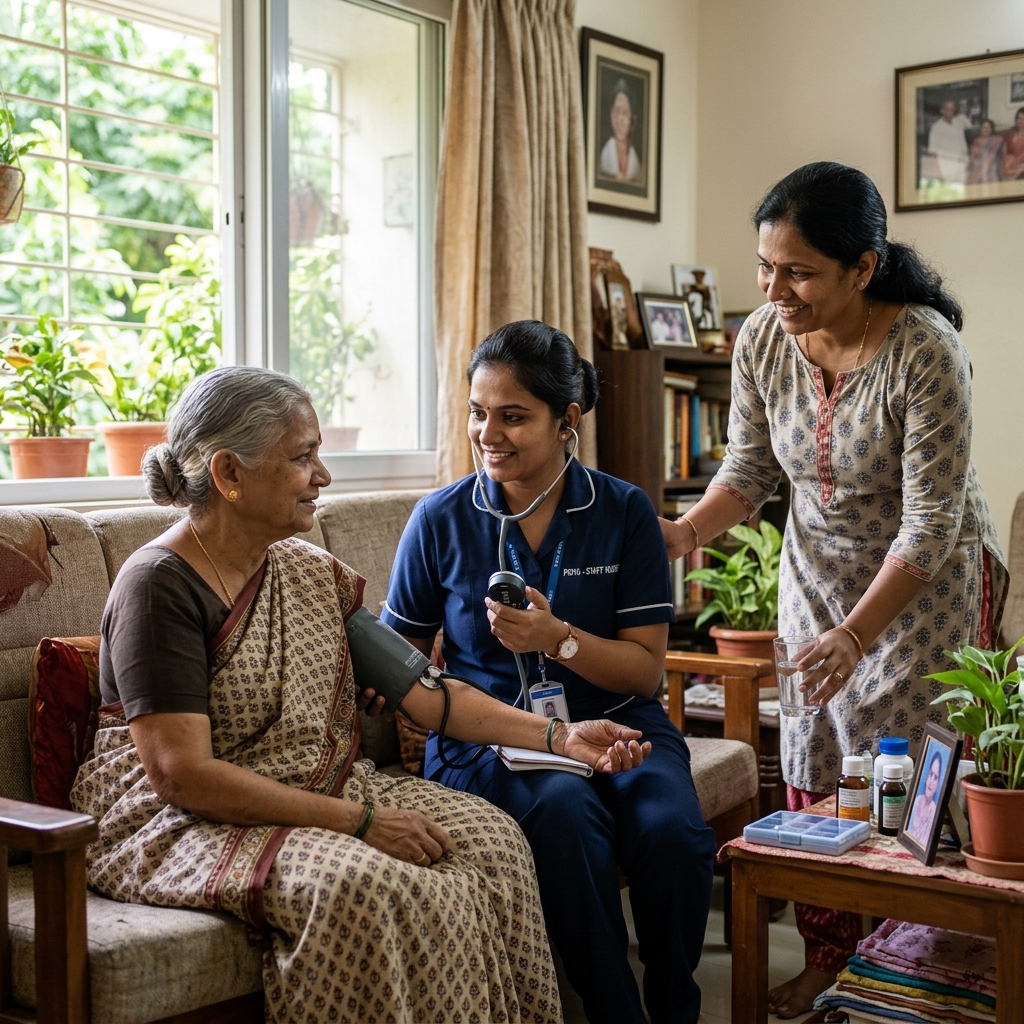
A medical nurse (often an RN or LPN) is a licensed clinical professional. Their primary role is medical intervention. If your loved one needs wound dressings changed, intravenous (IV) medications administered, catheter care, or complex vital sign monitoring, you need a nurse. They are trained to assess medical conditions and communicate directly with doctors regarding treatment plans.
On the other hand, a trained Caretaker is focused on the activities of daily living (ADLs). While they are not licensed to perform clinical procedures, their role is equally vital. Caretakers assist with personal hygiene, bathing, dressing, mobility, and meal preparation. They are the ones who provide the day-to-day, hour-by-hour support that keeps a person comfortable and safe in their home.
Deciding between the two usually comes down to the medical stability of the patient. If the patient is recovering from a major surgery and has open wounds or needs injectable pain management, a nurse is mandatory. However, if the patient is medically stable but struggles with dementia or physical frailty that makes cooking or bathing dangerous, a Caretaker is the appropriate choice.
In many cases, families actually utilize both. A nurse might visit for an hour a day to handle medical tasks, while a Caretaker stays for a longer shift to handle the daily routine and provide companionship.
Key Takeaways
- Nurses handle clinical tasks like IVs, wound care, and medication administration.
- Caretakers manage daily living activities like bathing, dressing, and mobility.
- Choose a nurse for medically unstable patients needing clinical intervention.
- Choose a Caretaker for medically stable patients needing daily support and safety.