
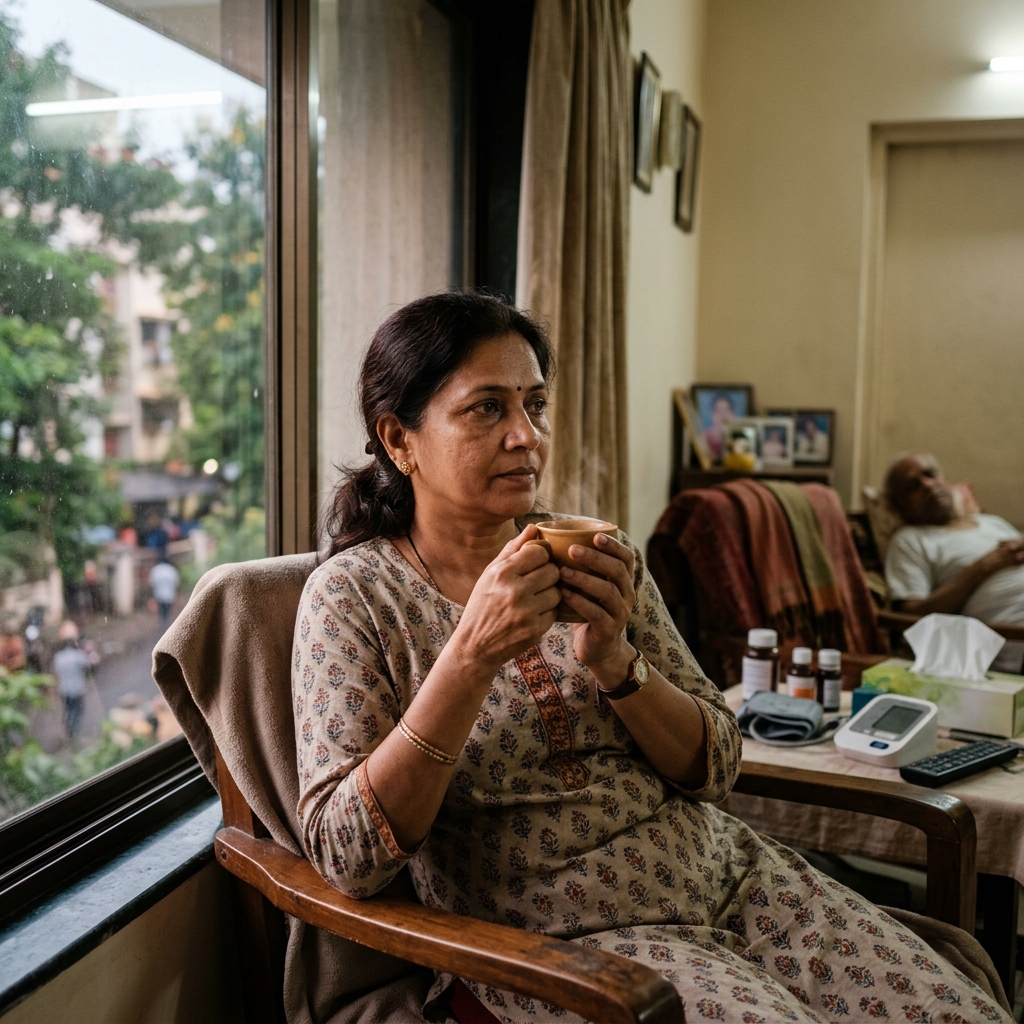
Taking care of an aging or ailing family member is an incredible act of love, but it is also one of the most exhausting jobs a person can undertake. Family Caretakers often pour all their energy into the patient, completely neglecting their own physical and emotional needs. This relentless cycle inevitably leads to Caretaker burnout, a state of physical, emotional, and mental exhaustion.
The signs of burnout are often subtle at first. You might find yourself feeling unusually irritable, snapping at your loved one or other family members over minor things. Sleep disturbances are common; you might feel exhausted all day but lie awake at night filled with anxiety. Eventually, this can spiral into feelings of resentment, guilt, and profound sadness.
The most important thing a family Caretaker can do is acknowledge that they cannot do it alone. It is not a sign of weakness to ask for help; it is a necessity for sustainable care. Start by delegating small tasks to other family members or friends. Someone else can handle the grocery shopping or sit with the patient for two hours while you take a break.
Respite care is a vital tool. This involves hiring a professional Caretaker to take over for a few hours a day or a few days a week. This dedicated time off allows you to rest, run personal errands, or simply sit in a quiet room and decompress without constantly listening for a call for help.
Remember, if you collapse from exhaustion, you cannot help your loved one at all. Prioritizing your own mental health, seeking support groups, and taking regular breaks are just as important as managing the patient's medications.
Key Takeaways
- Recognize early signs of burnout like irritability, insomnia, and feelings of resentment.
- Accept that you cannot do it alone and delegate tasks to family or friends.
- Utilize professional respite care to get regular, scheduled breaks.
- Prioritize your own mental health because you cannot pour from an empty cup.